
Cost seg is all about timing.
The right building at the right time can be the difference between a big tax bill and $0 in federal taxes. A cost seg study is an IRS recognized method. Offset Gains runs it and works alongside your CPA.
- Free estimate before you commit
- Studies done in-house
- Works with your CPA
When a study pays the most
You just bought
The study pays off in year one. Property acquired after January 19, 2025 can qualify for 100% bonus depreciation. Your CPA confirms.
You bought earlier
Never studied it? Catch up with Form 3115. No amended returns.
Big income or gain this year
That is when the deduction is worth the most. Sale, bonus, big year: time it.
A $2M building, the slow way vs. with a study
An illustration only. About 20 percent is land, so $1,600,000 is depreciable building.
Standard method
about $58,000 a year
for 27.5 years
With a study (assuming 20% is short-life)
up to $320,000 in year one
with 100% bonus depreciation, on top of regular building depreciation
Your actual numbers depend on the property, and the share can be lower or higher. Whether and how much you can use depends on your income, entity structure, and tax status. Your CPA decides. This is not a promise of savings.
Real buildings. Real numbers.
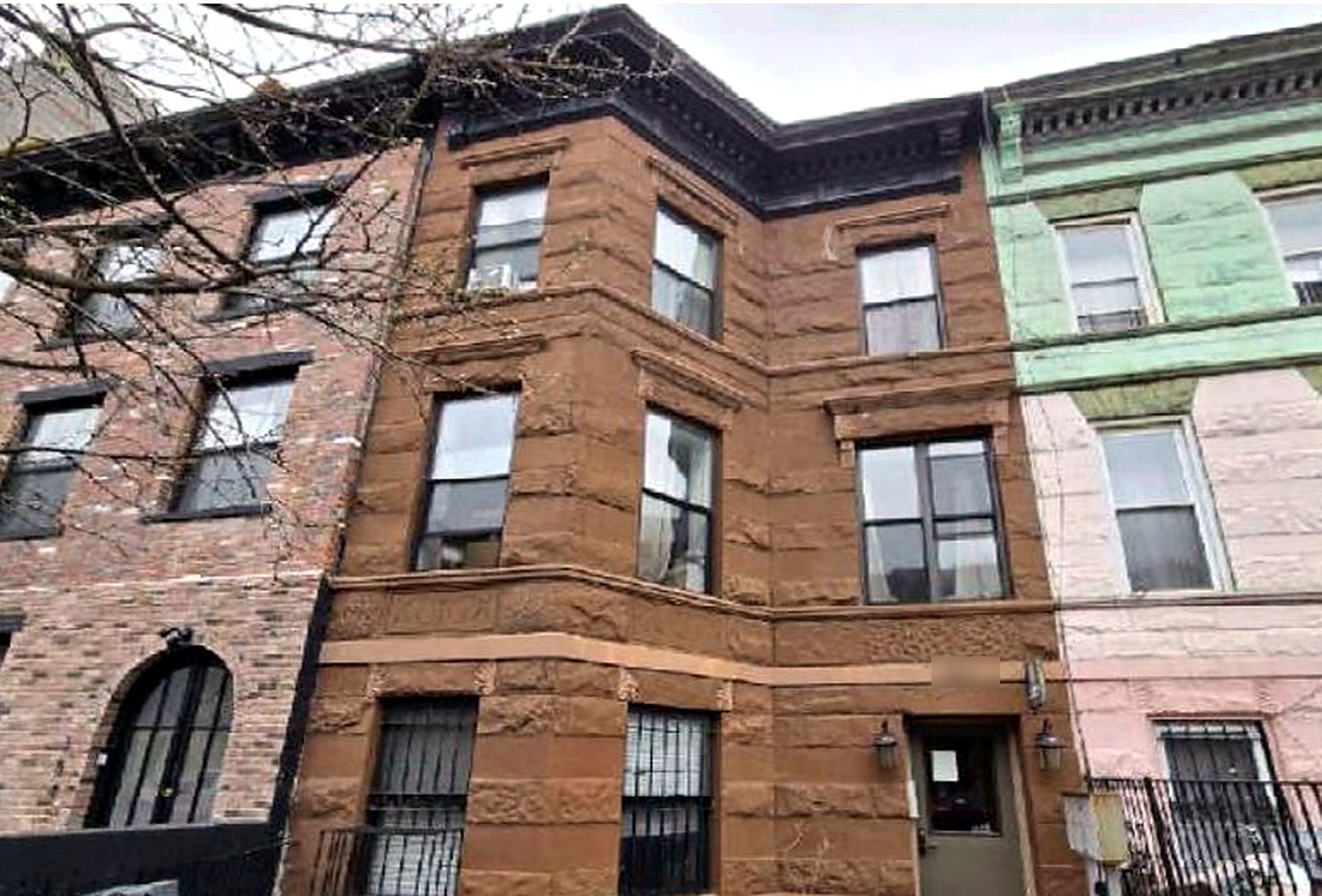
5-unit walk-up, $1.9M
$454,552 accelerated into year-one deductions.
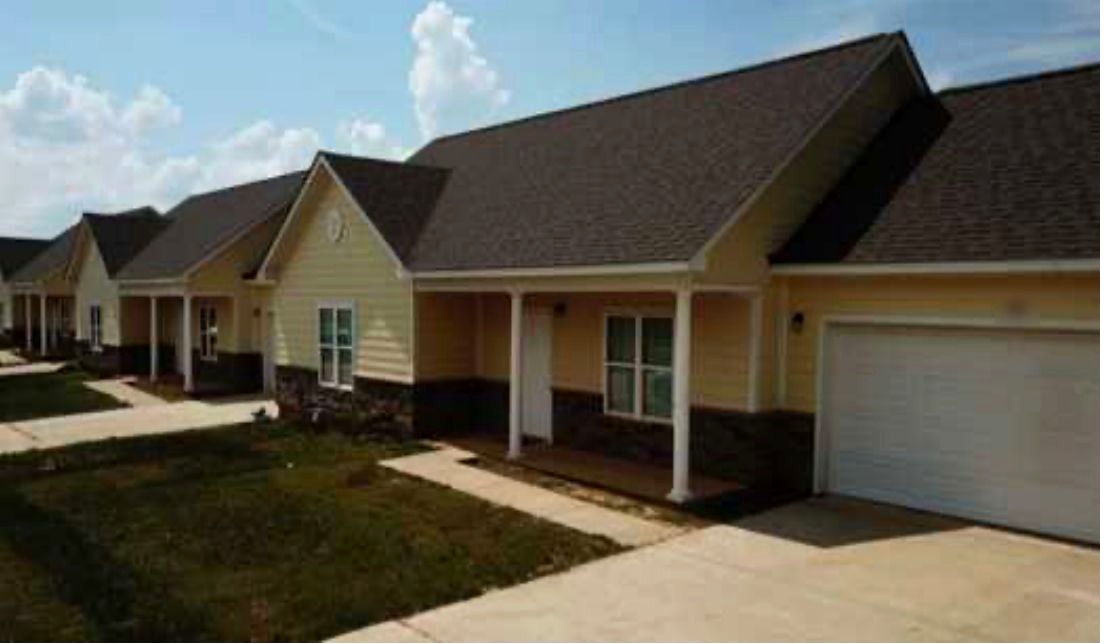
87-unit triplex community, $9.65M
$3,506,229 year-one depreciation.
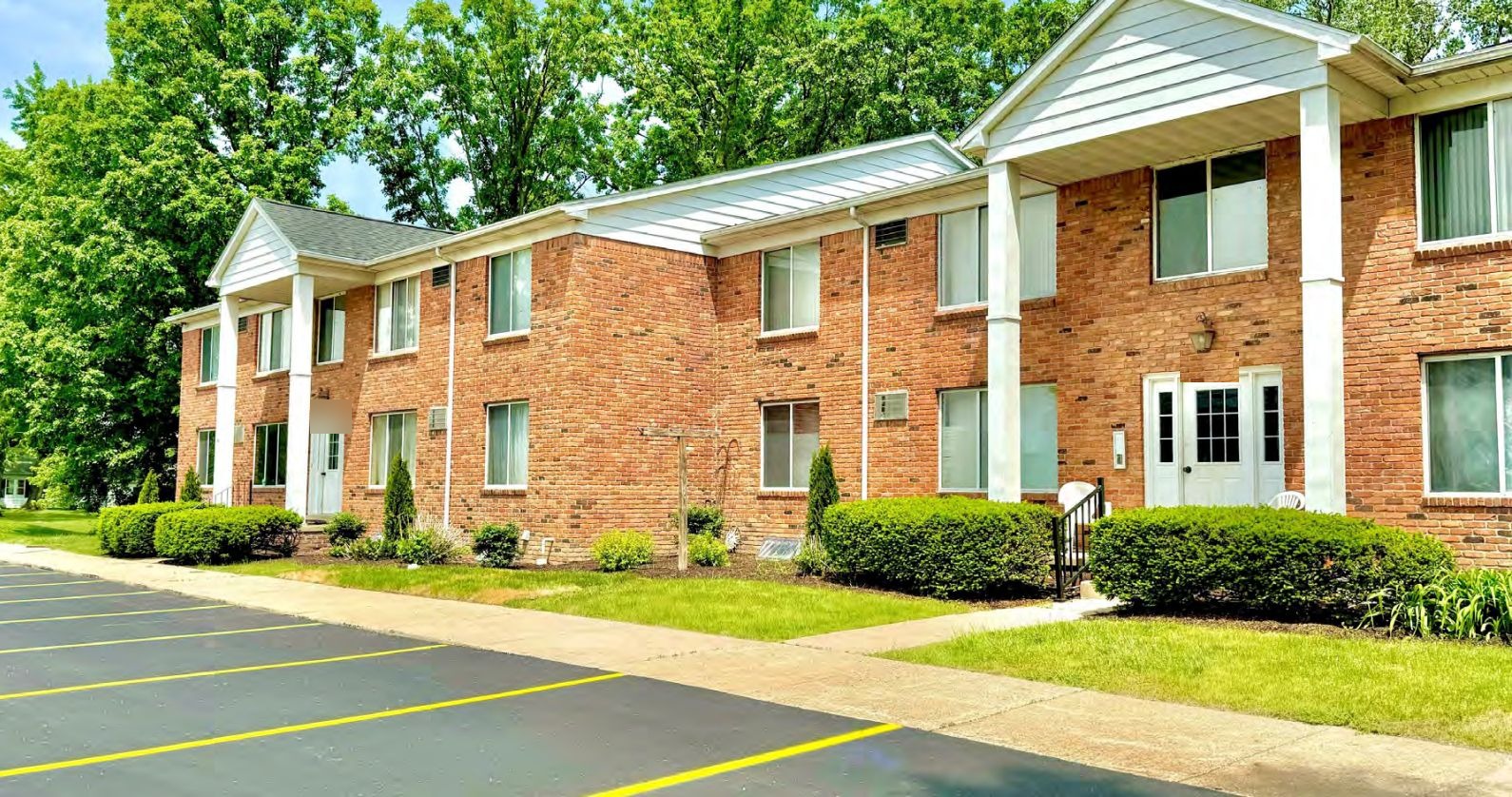
32-unit garden apartment community, $3.8M
$1.1M year-one depreciation.
Owners and addresses kept private. Results depend on each property and each owner’s tax situation. See the kinds of properties we have studied.
What are the risks and trade-offs?
The main ones are depreciation recapture when you sell, passive loss limits, and studies that are not well supported.
Depreciation recapture
If you later sell, some of the deductions can be taxed back. Options like holding long term, a 1031 exchange, or offsetting with other losses can help. We explain them before you decide.
Passive loss rules
Passive loss rules and real estate professional status limit how much you can use in a year. Unused amounts generally carry forward.
Smaller buildings
They may not justify the cost. We tell you before you spend anything.
The study has to be done well
A poorly supported study is a risk, so documentation matters.
Quick answers
Can I do one on a building I bought years ago?
Yes. You can study a building you bought in past years and claim the catch-up deduction in the current year by filing Form 3115. You do not need to amend old returns.
When is the best year to do one?
The year you have the income to use it. A purchase, a sale, or a big income year. We check the timing with you, and your CPA confirms.
Do I still need my CPA?
Yes. Keep your CPA. We work alongside them and hand them the report and the numbers they need to file.
Find out what a study is worth on your property
Send the address, purchase price and closing date. We tell you what a study could be worth. It costs nothing to find out.
Usually a good fit: rental or commercial property bought in the last 10 years, with a depreciable basis of about $500,000 or more. Not sure? Ask anyway. We will tell you straight.
Does your state allow it? See which states accept 100% bonus depreciation.
General information, not tax advice. Results vary and are not a guarantee of future savings. See our Disclaimer and Privacy Policy.